Enterprise Wi-Fi & network segmentation
Fortinet Wi-Fi access points and FortiNAC network access control for secure, segmented wireless coverage.
Fortinet Wi-Fi access points and FortiNAC network access control for secure, segmented wireless coverage.
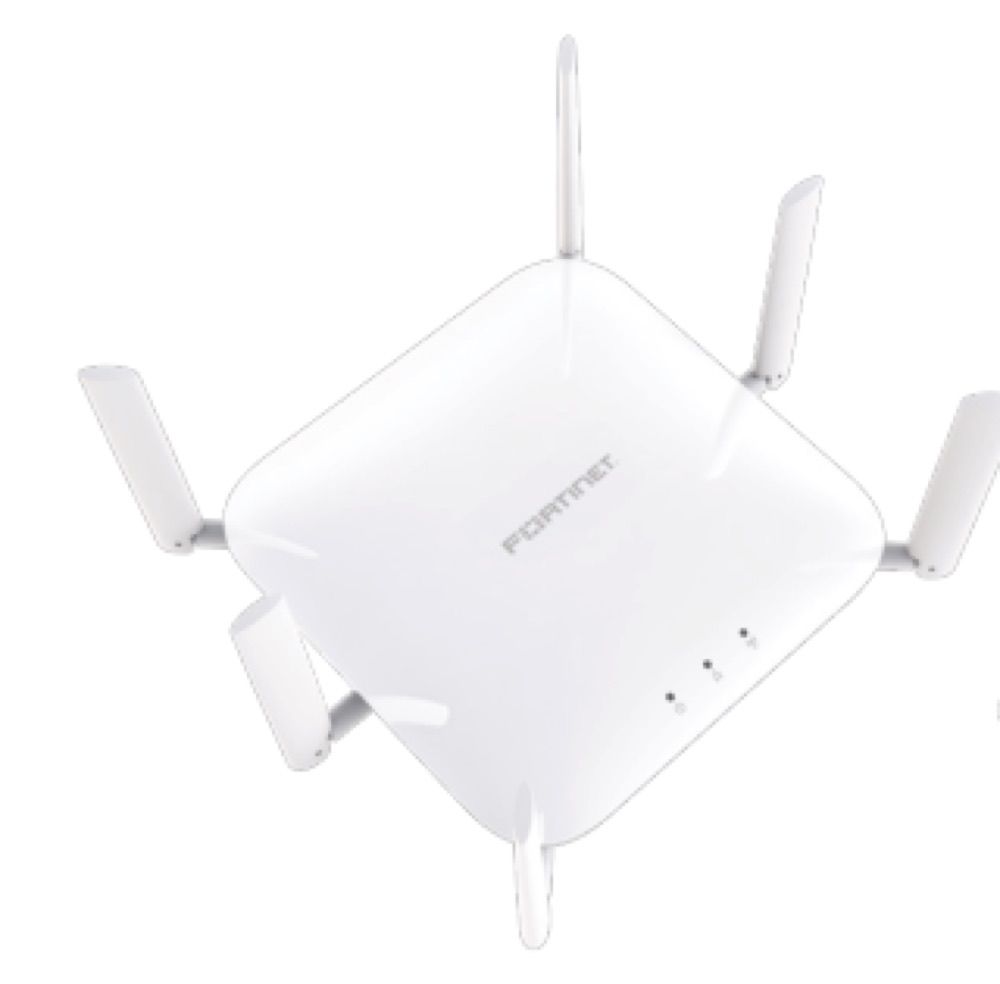
The FortiAP 431F is a tri-radio Wi-Fi 6 access point with six external antennas, built for high user-density environments. It is managed from the built-in WLAN controller of a FortiGate firewall or from the FortiEdge Cloud portal, allowing wired and wireless security to be administered from a single console.
Typical use: Well suited to a university campus, hotel, or multi-floor office building that needs dense, secure, centrally administered Wi-Fi coverage.
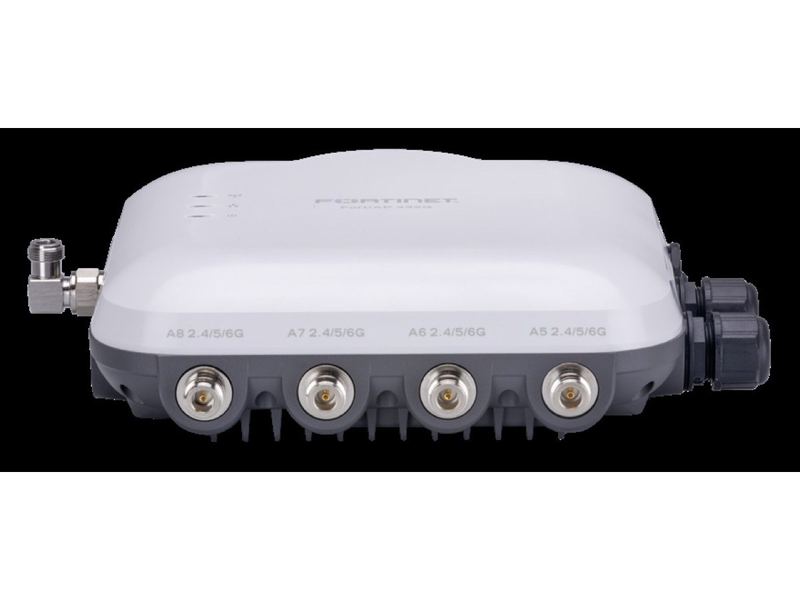
A tri-band (2.4/5/6 GHz) Wi-Fi 6E access point from Fortinet in a weatherproof IP67 enclosure with external N-type antennas, built for outdoor deployment (building exteriors, yards, industrial sites) as well as indoor use. It includes a 10-Gigabit Ethernet uplink, an integrated BLE radio for locationing, and is managed from the same FortiGate/FortiEdge Cloud console as the rest of the FortiAP line.
Typical use: Outdoor and harsh-environment Wi-Fi coverage (warehouses, yards, industrial sites) requiring a rugged, weatherproof access point.
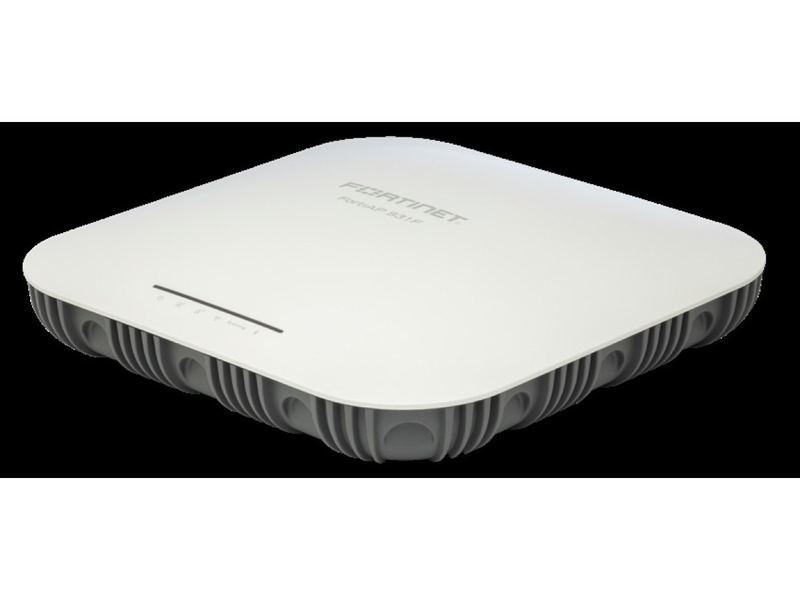
A top-of-line indoor access point from Fortinet with three radios and up to 8 spatial streams (8x8 MU-MIMO), delivering combined PHY data rates approaching 6 Gbps. It features a 5-Gigabit Ethernet port, an integrated BLE radio, and dedicated 24/7 dual-band scanning, making it well suited to very high-density user environments.
Typical use: Conference halls, auditoriums, and spaces with very high densities of simultaneously connected devices.
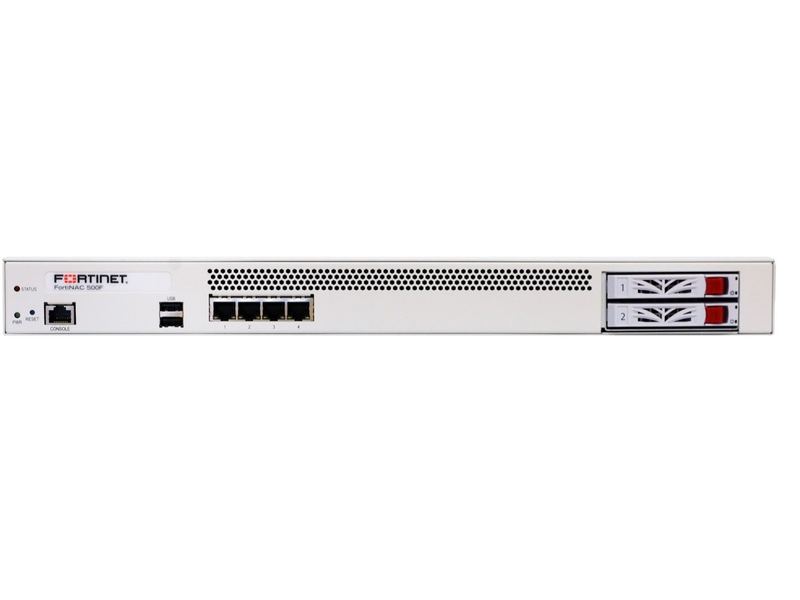
A 1U appliance in Fortinet's FortiNAC line dedicated to network visibility and access control (NAC): it automatically discovers and profiles every connected device (workstations, IoT, OT, BYOD) and enforces Zero Trust segmentation and access policies by integrating with FortiGate firewalls and the wider security ecosystem. It is the hardware building block that puts network segmentation into practice.
Typical use: Automatically isolate non-compliant IoT/BYOD devices and segment the corporate network by user or device profile.
Tell us what you need, and we'll get back to you with a tailored proposal.